
If you are looking for an exciting way to enjoy online gaming without the traditional Know Your Customer (KYC) requirements, you may want to explore Casinos With Alternative KYC Policies. These platforms are paving the way for a more inclusive gaming experience that caters to the needs of players while maintaining security and compliance.
Understanding KYC Policies in Online Casinos
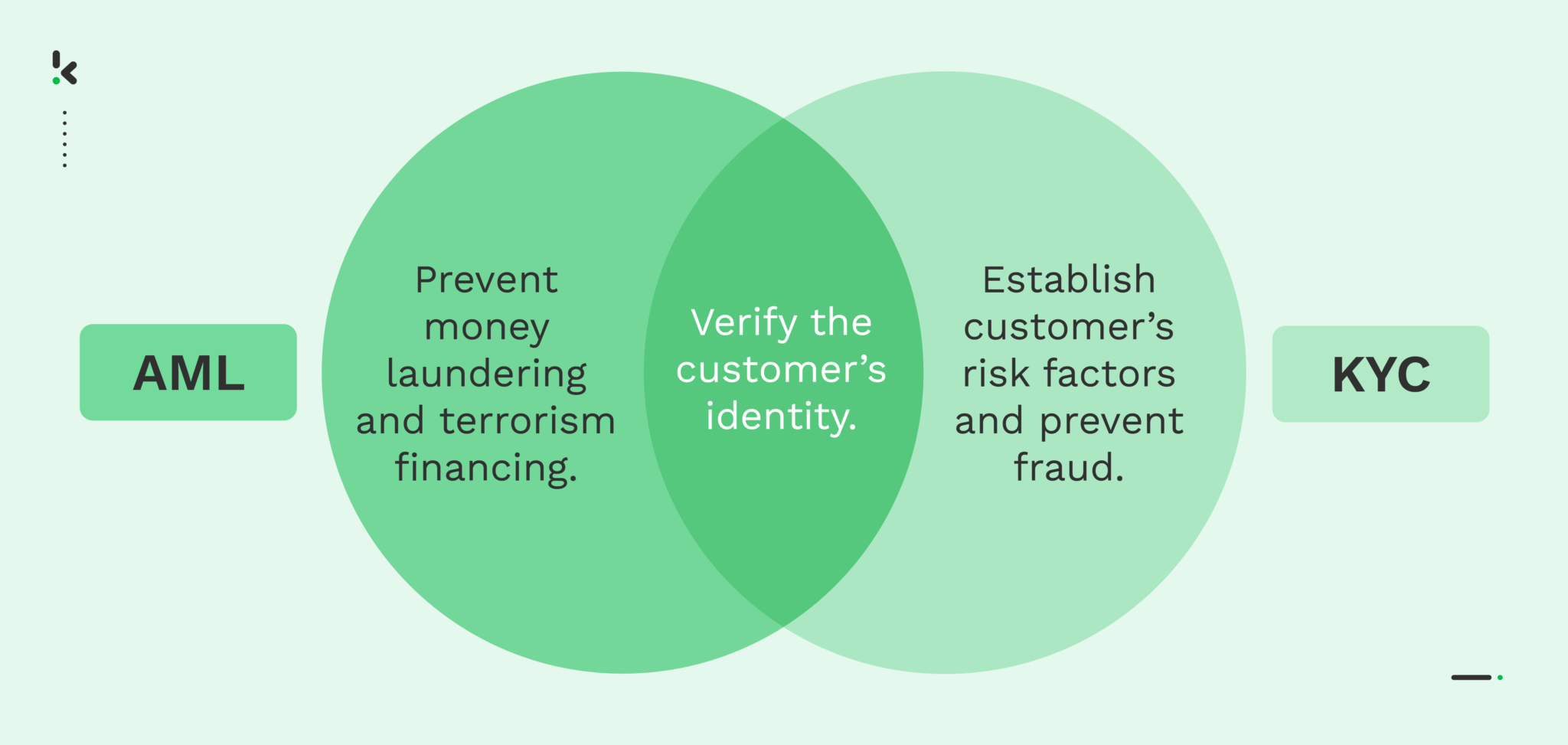
Know Your Customer (KYC) is a critical process that online casinos use to verify the identity of their players. This system is designed to prevent fraud, money laundering, and underage gambling. Conventional KYC processes can be cumbersome, often requiring players to submit various forms of identification, proof of address, and other personal information.
Why Seek Alternative KYC Policies?
As the online gambling industry evolves, many players express a desire for a more streamlined and less invasive verification process. Alternative KYC policies aim to address these concerns, providing an easier onboarding experience without compromising on security. Here are some reasons players might prefer these alternative KYC options:
- Quicker Registration: Traditional KYC processes often delay account activation. Alternative policies can significantly reduce the time needed to start playing.
- Privacy Concerns: Players may prefer not to share extensive personal information. Alternative KYC methods can minimize data collection.
- Accessibility: Gamblers in regions with strict banking regulations may find it challenging to meet KYC requirements. More flexible options can enhance accessibility to gaming.
Types of Alternative KYC Policies
Online casinos implementing alternative KYC practices offer various methods for verifying identity while retaining compliance with regulatory frameworks. Here are some common alternative KYC options:
1. E-wallet Verification
Many online casinos accept deposits and withdrawals through e-wallets like PayPal, Skrill, or Neteller. When a player uses these services for transactions, the wallet provider often conducts their own KYC checks, which means the casino can rely on these verified accounts to simplify their own processes.
2. Cryptocurrency Payments
Casinos that accept cryptocurrencies like Bitcoin or Ethereum often have more relaxed KYC requirements. Since blockchain transactions are pseudonymous, players can deposit and withdraw funds without sharing extensive personal data, while still enjoying a safe and secure gaming experience.
3. Social Media Verification
Some innovative casinos allow users to verify their identity through social media accounts. By linking accounts from platforms like Facebook or Twitter, players can streamline the KYC process without submitting additional documentation.

4. Live Video Verification
Live video verification has emerged as a modern alternative to traditional document submission. Players can connect via video call with an agent who verifies their identity. This method is typically quicker and less invasive than traditional KYC processes.
Benefits of Casinos with Alternative KYC Policies
The casinos adopting alternative KYC policies do more than just cater to player preferences. They also enjoy various business benefits:
1. Enhanced User Experience
By streamlining the registration and verification process, casinos enhance the overall user experience, leading to improved customer satisfaction and retention rates.
2. Competitive Advantage
In a crowded market, casinos that offer flexible KYC options stand out. These alternatives can be a significant selling point for new players looking for a seamless registration experience.
3. Reduced Administrative Costs
Alternative KYC methods can reduce the time and resources spent on manual verification processes, which can alleviate administrative burdens and cut costs for casinos.

Challenges and Considerations
While there are many advantages to alternative KYC policies, there are also challenges that casinos must navigate:
1. Compliance Risks
Casinos must ensure that their alternative KYC practices comply with relevant regulations. Failing to do so can result in legal penalties and compromise the casino’s reputation.
2. Fraud Prevention
As the barriers to entry decrease, there is an increased risk of fraud. Casinos must implement robust fraud detection and mitigation strategies to protect against potential abuse of their alternative KYC policies.
3. Trust Issues
Some players may be hesitant to use online casinos with alternative KYC policies, fearing that these options may compromise safety and security. Educating players and building trust is essential for success.
Conclusion
Casinos with alternative KYC policies are reshaping the online gambling landscape. By offering flexible and user-friendly verification processes, they are meeting the needs of players while maintaining compliance and security. As the industry continues to grow, these innovative approaches will likely play a crucial role in attracting new customers and retaining existing ones. If you’re looking for a smoother online gaming experience, consider exploring the benefits of casinos with alternative KYC solutions.


